


925 Sterling Silver Jewelry: Material Guide and Care Tips
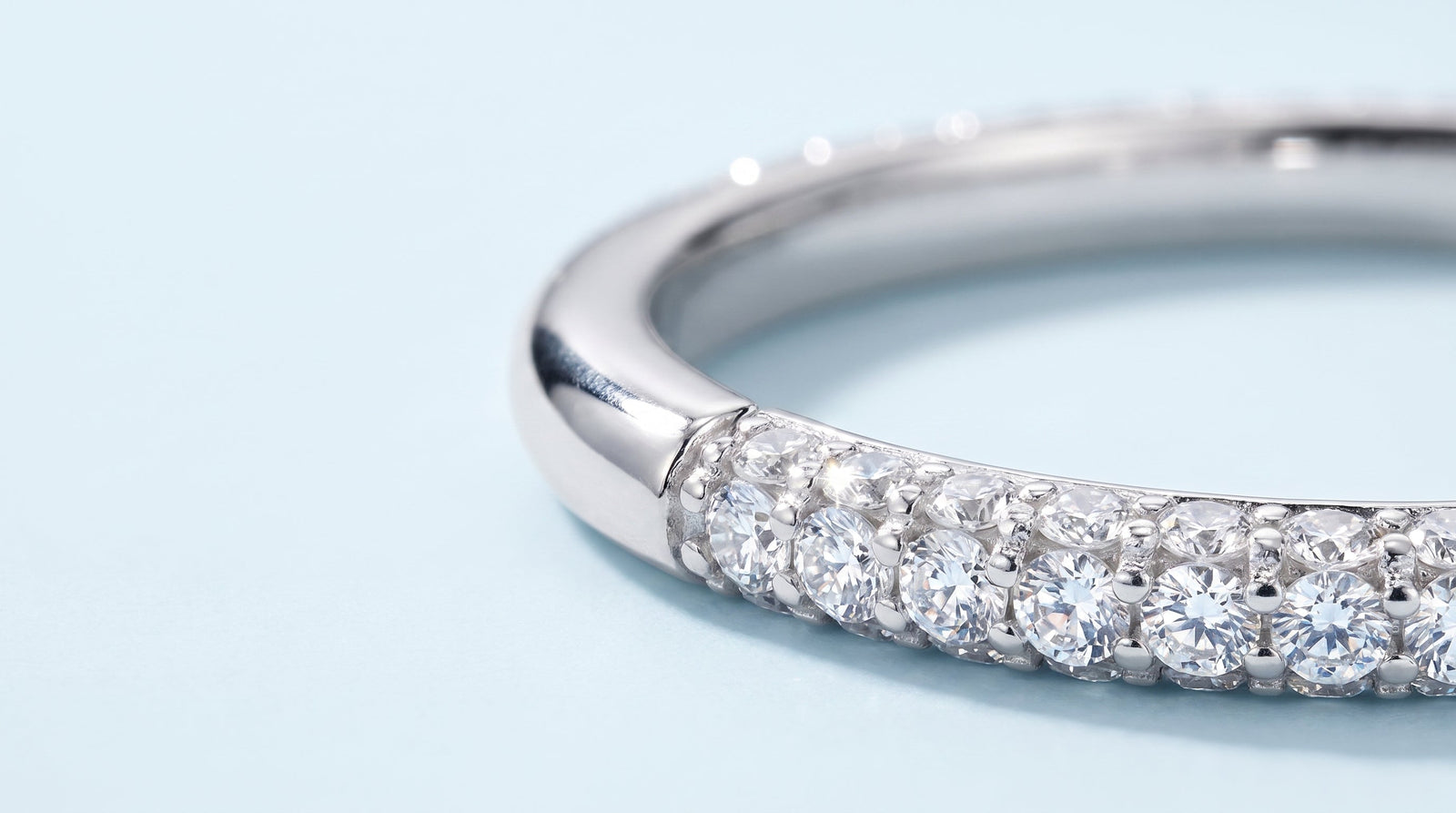

Anyone who buys silver jewelry and notices a yellowish tarnish shortly thereafter may wonder if the material is of inferior quality or if the issue lies in how it is cared for. Both can be true, and both can be avoided with a little background knowledge. This article explains what the term 925 silver specifically means, why many pieces are rhodium-plated, how tarnishing occurs, and which cleaning methods are suitable for which piece.
The foundation is the material data of the assortment: stone type, coating, and alloy specifications are listed with the items, allowing for a comparison that goes beyond manufacturer descriptions. Anyone who buys a silver ring, necklace, or stud earrings after reading this article will know what to look for in the data sheet.
What 925 silver means: alloy, hallmark, and standardization
Pure silver has a fineness of 999 parts per thousand, but it is too soft for jewelry worn daily. For this reason, it is alloyed with a second metal, usually copper. The most common jewelry alloy contains 925 parts silver and 75 parts copper per thousand, i.e., 92.5 percent silver. This is where the term 925 silver comes from, which is equated in the industry with the English term sterling silver.
The "925" or "Sterling" hallmark on a piece of jewelry is legally required or at least standardized in many countries. It indicates that the fineness is at least 925 per mille. If this hallmark is missing, it may indicate a different alloy, such as 800 silver with a fineness of 80 percent, which is primarily found in older silverware and cutlery.The material value of 925 silver is based on the current market price for fine silver, multiplied by a factor of 0.925.For jewelry, the craftsmanship is added, which generally drives the actual retail price significantly above the pure material value.

Rhodium plating: Why silver jewelry is often coated and what it does
Rhodium is a platinum metal that forms an extremely hard, corrosion-resistant, and high-gloss surface. If silver jewelry is galvanically coated with a thin layer of rhodium, it is called rhodium plating. The layer is usually a few tenths of a micrometer thick.
Advantages of rhodium plating
Rhodium-plated silver tarnishes significantly slower than bare sterling silver because the rhodium layer interrupts the contact between silver and sulfur compounds in the air or from sweat. Additionally, rhodium increases the scratch resistance of the surface and gives the piece a cool, almost white-gold-like shine. For many Thomas Sabo pieces, such as the hoop earrings with zirconia settings, the bright, uniform color is due to rhodium plating.
Limitations of rhodium plating
The layer is hard but thin. In areas with high mechanical abrasion, such as the inside of rings, clasps, and bracelet hooks, it wears off over months and years. The underlying sterling silver then becomes visible and can tarnish. Re-coating by a goldsmith is possible and costs between 20 and 60 euros depending on the piece. Anyone who cleans rhodium-plated jewelry with silver polishing cloths or abrasive cleaners will significantly accelerate the wear.

Tarnish protection in everyday life: storage, sweat resistance, and wearing habits
Silver tarnishes because sulfur compounds in the ambient air react with the copper content of the alloy to form silver sulfide. This is a chemical process that can be slowed down but not completely prevented.
Storage
The most important factor is air contact. Anyone who stores silver jewelry in a sealed container, preferably with a small piece of chalk or a silica gel bag, will significantly slow down tarnishing. Jewelry boxes with velvet lining often have slightly absorbent properties that bind residual moisture. Storing individual pieces in small zip-lock bags is inelegant but effective.
Wearing habits
Sweat contains chlorides and sulfur compounds that cause silver to tarnish more quickly. This is especially true during sports. Perfume, sunscreen, and hairspray attack surfaces and should be applied before putting on jewelry. Chlorine water in swimming pools is aggressive toward bare silver and should be avoided.
Cleaning and care: methods for bare and rhodium-plated silver
The right cleaning method depends on whether the piece is rhodium-plated or not. What brightens bare silver can permanently damage rhodium-plated surfaces.
| Method | Suitable for bare silver | Suitable for rhodium-plated silver | Note |
|---|---|---|---|
| Silver polishing cloth | Yes | No | Abrasives in the cloth rub off rhodium |
| Silver dip | Yes (dip briefly) | No | Chemical reaction damages coating |
| Lukewarm water + dish soap | Yes | Yes | Gentlest method for all surfaces |
| Ultrasonic cleaner | Yes (without sensitive stones) | Conditionally | Not for set stones like zirconia |
| Baking soda paste | Yes (heavily tarnished) | No | Too abrasive for coatings |
For rhodium-plated jewelry, the rule is: soft, damp, no chemicals. A cotton cloth, slightly dampened with lukewarm water, is sufficient for everyday care. For heavily soiled pieces, a drop of mild dish soap helps; then rinse thoroughly with clear water and pat dry immediately, do not rub.925 sterling silver is also considered the standard material in the boho and ethnic jewelry sector, which remains durable with the right care.

925 silver compared to other materials: titanium, stainless steel, gold-doublé
Anyone buying jewelry and choosing between different materials should know the differences in everyday life.
| Material | Tarnish risk | Skin compatibility | Maintenance effort | Price level |
|---|---|---|---|---|
| 925 silver (bare) | Medium to high | Good (nickel-free possible) | Medium | Low to medium |
| 925 silver (rhodium-plated) | Low | Very good | Low | Low to medium |
| Stainless steel | None | Very good | Very low | Low |
| Titanium | None | Excellent | Very low | Medium |
| Gold-doublé (gold-plated) | None (until layer wears off) | Depends on base | Low | Low to medium |
Stainless steel and titanium are easier to care for than silver but offer less design depth: fine filigree work and oxidations, as found in blackened sterling silver, are hardly possible with these materials. Gold-doublé describes gold plating on a base alloy; the layer is thinner than technical doublé and wears off.Recycled sterling silver is also gaining importance in trendy jewelry, because sustainability in material usage can be documented.
For more insights on combining jewelry and watches, see the magazine: Thomas Sabo jewelry as a complement to stainless steel watches shows which pairings work stylistically.
What to look for when buying: hallmark, origin, and workmanship
A reputable piece of 925 silver jewelry bears a fineness hallmark, which is either engraved directly on the metal or attached to a small tag. For small pieces like stud earrings, the hallmark is sometimes only visible with a magnifying glass or is located on the clasp.
- Look for the "925" or "Sterling" fineness hallmark; do not rely solely on packaging information.
- Check for nickel allergy: Sterling silver is regulated in the EU according to the Nickel Directive; strict limits for nickel release apply to jewelry that has direct skin contact.
- Check clasps for workmanship quality: lobster clasps should close cleanly, hinge points should be free of play.
- For set pieces: check whether stones sit flush and no sharp setting edges protrude.
- Blackened silver (oxidation) is a deliberate surface treatment, not a defect. It can be reversed by polishing.
- Origin information and brand hallmarks provide clues about quality control. At Thomas Sabo, for example, 925 sterling silver is the base standard material for the entire collection.
Anyone wanting to delve deeper into the world of the Thomas Sabo assortment will find a detailed overview in the magazine: Thomas Sabo silver jewelry: elegance, creativity, and quality in silver.


